| Have some old
records put away somewhere in your attic? In your basement? Did you
inherit someone's collection? This page
provides general information on assessing your records and determining
whether you have a real goldmine or just the same old stuff everyone
else has
How Much Are Your Old Records Really Worth?

|
Please,
do not phone
us to discuss the value of your record collection, unique items you own
or how or where to sell your records. All these questions are answered
in detail below. If you must contact us, send us E-Mail. We will answer
your E-Mail |
Information on Continental Records Buying
Continental Records
only purchases brand new 45 RPM records.
If
you have a large quantity (2000 or more) of brand new 45s to sell,
please contact us for the best price
Continental Records
does not buy used 45s or any LPs/12" or 78s.
If
you have such records to sell please read the information we provide
below on selling your collection
Don't Want to Spend 10 More Minutes Reading?
OK, here's the
Scoop . . .
- Your records
must be in “like new” condition to have any value
- Rock 'n' roll,
rhythm & blues and jazz records manufactured in the 1950s and 1960s
are the most valuable records
- Other records
made in the 1950s and 1960s usually have some value
- Most records
that were made before 1950 and after 1970 have little or no value (except
as detailed below)
- Values in
any price guide are the maximum price the record has sold for - you will
never obtain full value when selling
- Make a list
– without a list your records are only worth pennies a piece

Prices detailed on this page

|
All
pricing on this page is for records that are in “like new” condition.
LPs and EPs that are “still sealed” (in their original cellophane wrapper)
are worth more than the quoted prices |
Record condition is paramount
Do you wish to determine
the value (or sell) obviously used copies (no sleeves or covers, noisy
when played, scratches, marks, writing or tape on label or cover, etc) of
common phonograph records from any year (1901-1999)? Most best-selling records
from the past were pressed in the millions and used copies usually have little
or no value
In almost all
cases there are sufficient copies of records in “new” or “like new” to satisfy all
current (and future) collector needs
The best value on
obviously used records described above is not what
money they will fetch but the enjoyment you can still get from them – continuing
to play them, enjoying the music and remembering the moments – this is why
the records were purchased in the first place (right?)
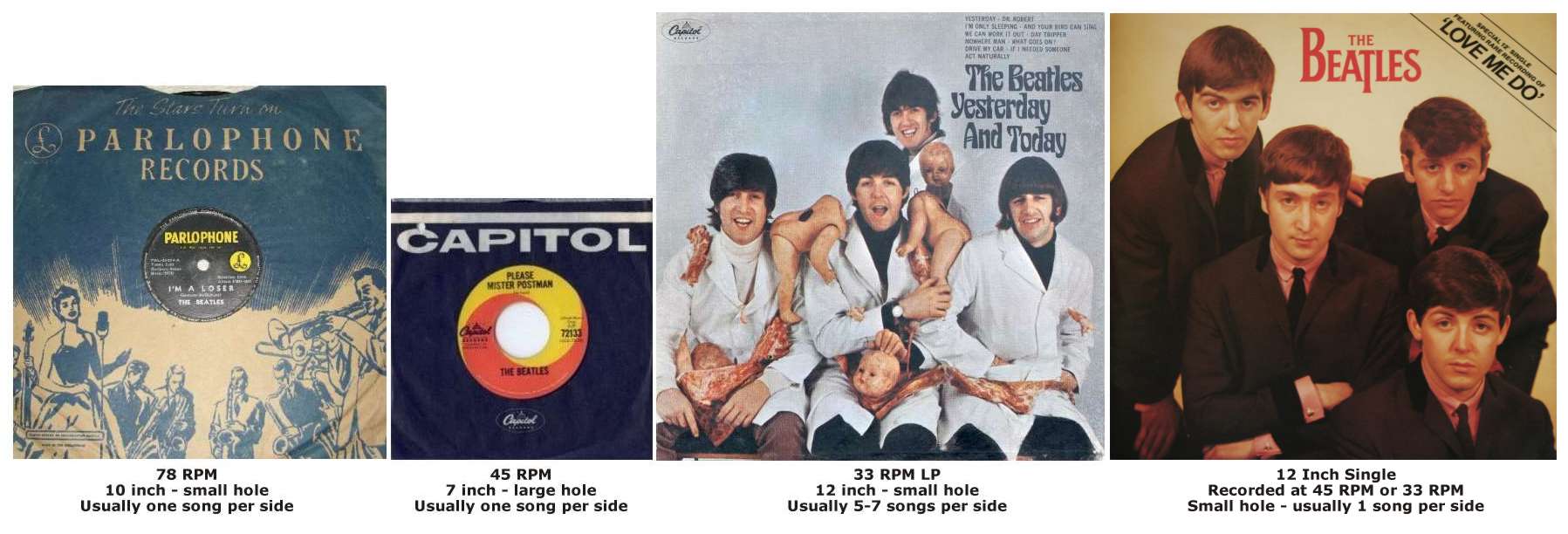
78s? 45s? LPs? 12"?
Identify your
records before you go further
Understand what
you own. It is impossible to determine the value (or sell) your records
if you do not even know if you have 78s or 45s or LPs or 12" Singles
(Click on photos for larger examples)
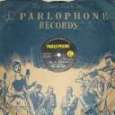
78 RPM
10 inch
|

45 RPM
7 inch
|
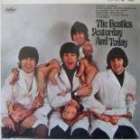
33 RPM LP
12 inch
|
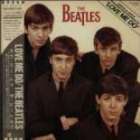
12 Inch Single
45 RPM or 33 RPM
|
Don't look for the
speed on the record or cover – use the record size and photos above
to determine what you have. Sort the three different sizes (10", 7"
and 12") into three different piles. Count the records of each size.
This is your starting point for determing value. Use the four names (78s,
45s, LPs, 12" singles) for making your list and any communications you
might have about them
Rare and Valuable 78s
78s were manufactured with a layer of shellac covering
both sides of cardboard. Thicker and much heavier than vinyl 45s or
LPs they were very fragile and would shatter like glass if dropped.
Most 78s are 10" in diameter. Larger (12" and 16") were also manufactured.
Most popular from 1900 to 1959
Many people think
that the older the record, the more it is worth – this is rarely true.
Almost all popular 78 RPM records manufactured before 1950 have no
value. Let's face it, most collectors who remember and purchase records
made before 1950 are now 80+ years old. Soon there will be no buyers at
all

|

|
(Click on photos for more and larger examples) |
|
Recent
78s
|
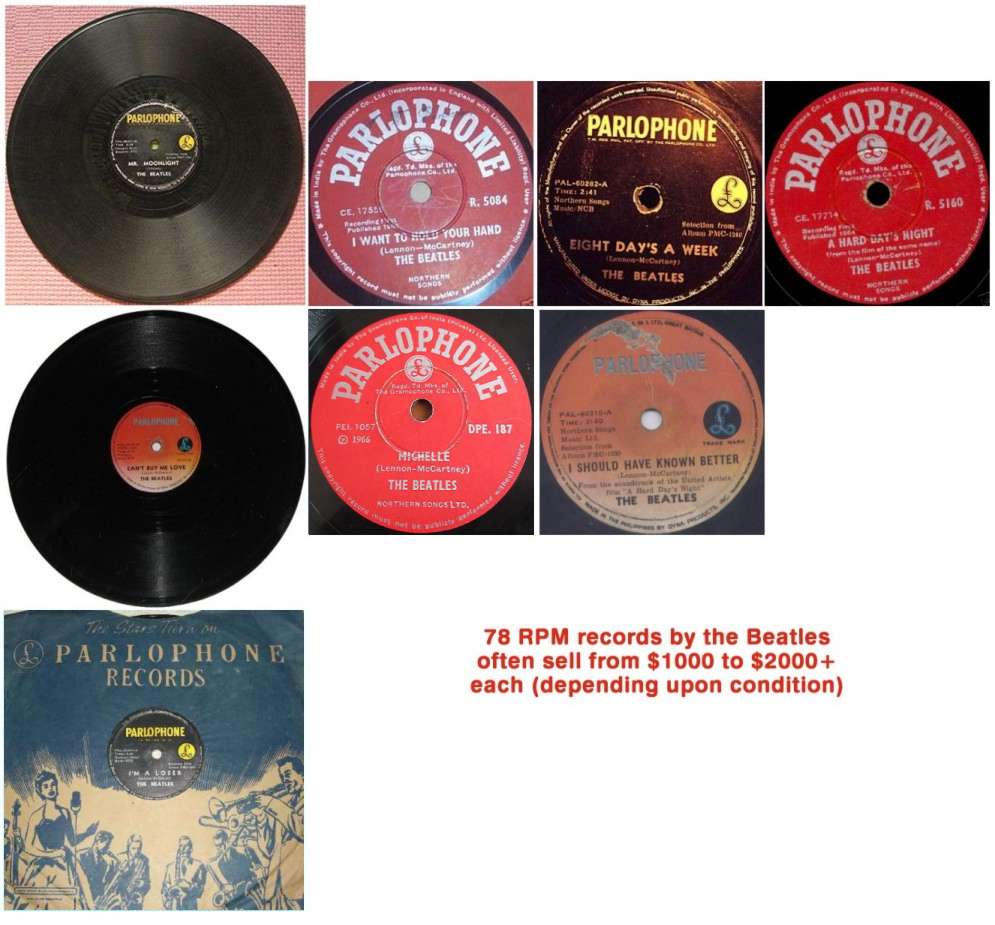
Beatle
78s
|
|
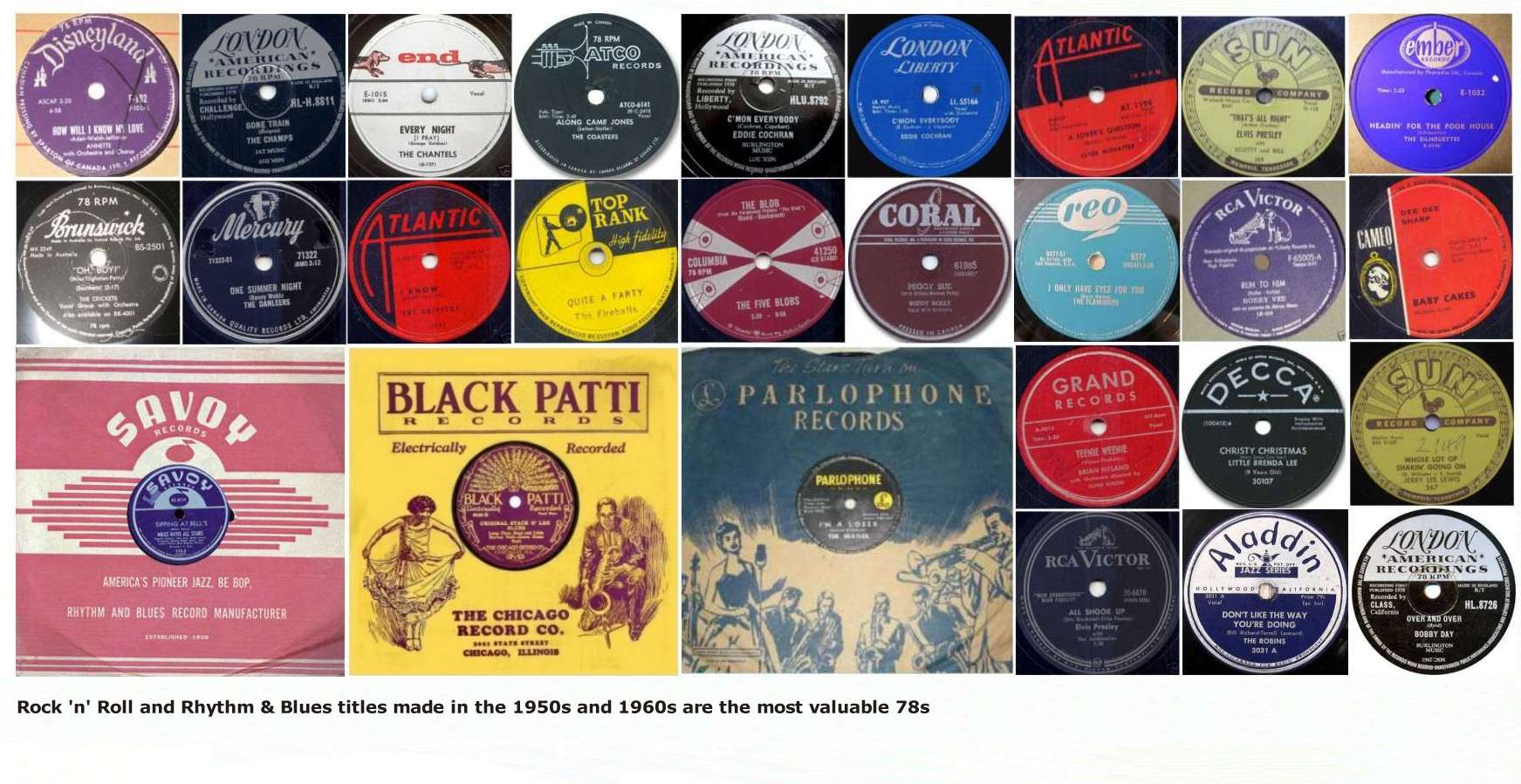
The most recent 78s
(manufactured in the 1950s and 1960s) usually fetch the highest
prices. All rock 'n' roll and rhythm & blues 78s currently sell
for $10 or more – $20 when in the original manufacturer
sleeve.
Other collected
78s include early American Blues and Hillbilly records of the 1930s
and 1940s.
Rare and Valuable
45s
45s are made of vinyl or styrene plastic and are 7" in diameter.
Most popular from 1949 to 1989.
45s are still manufactured today (2018) in small batches
(Click on photos below for more and larger
examples)

|
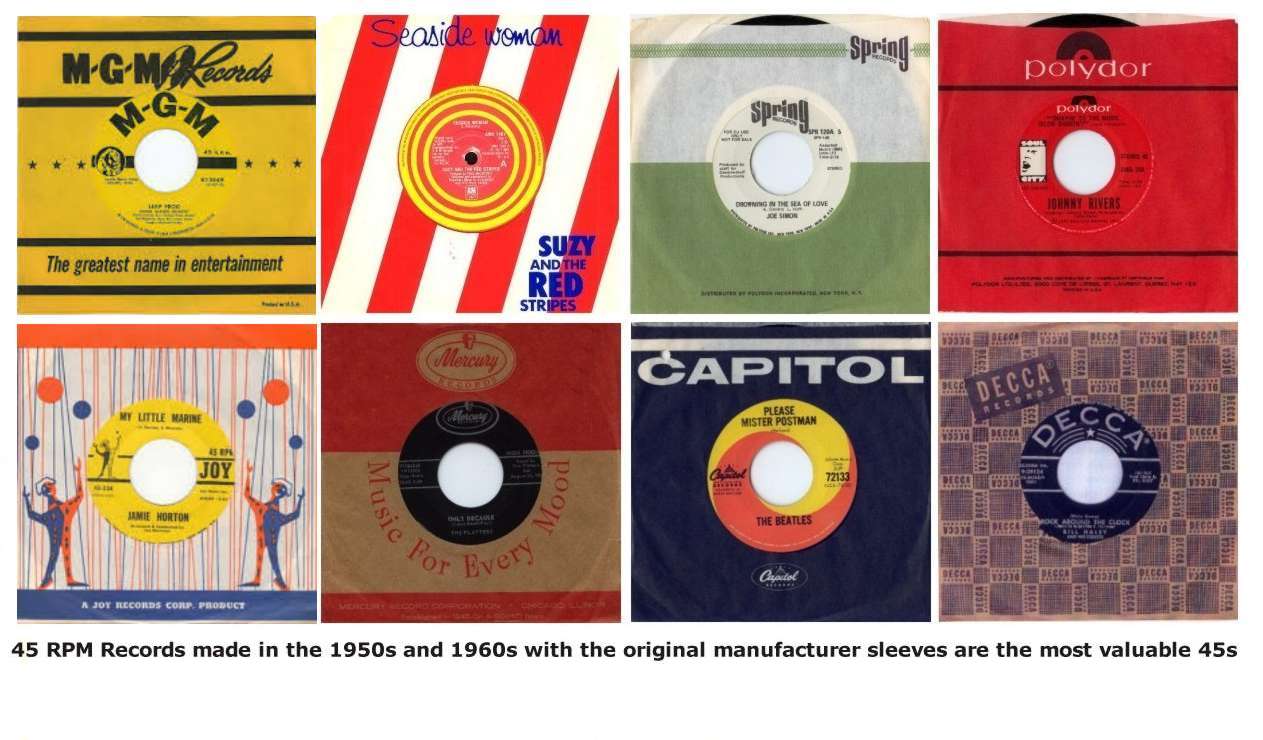
Almost
all 45s with the original manufacturer's
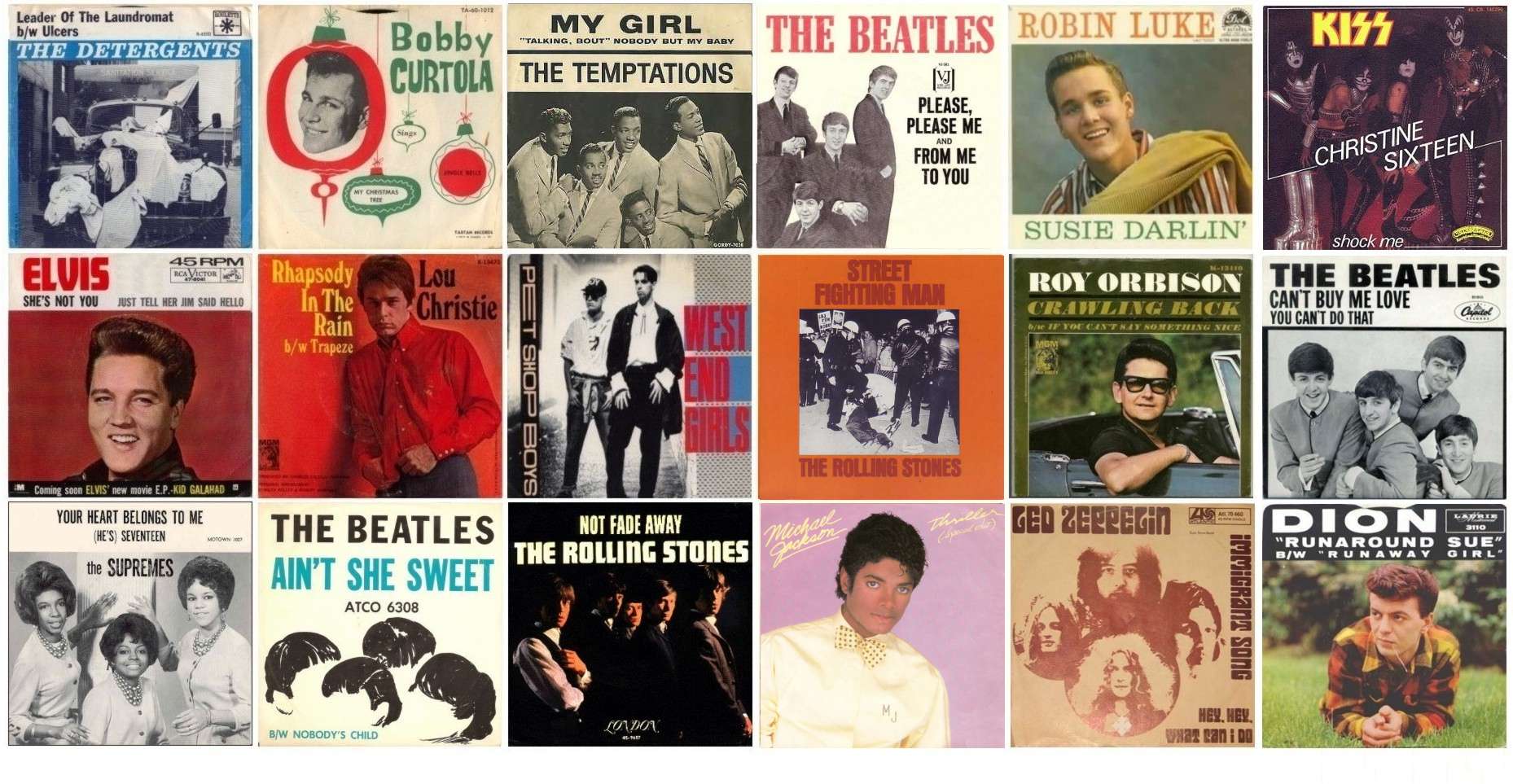
sleeves made in the 1950s and the 1960s are worth $5 or more. 45s
with the wrong sleeves are worth much less. No paper sleeves on your
45s or 78s? Shame on you – toss them out right now |

|
All
rock 'n' roll and rhythm & blues 45s with picture sleeves made
in the 1950s and the 1960s have values that exceed $10.00 per record.
Many have values of $100+ |

|
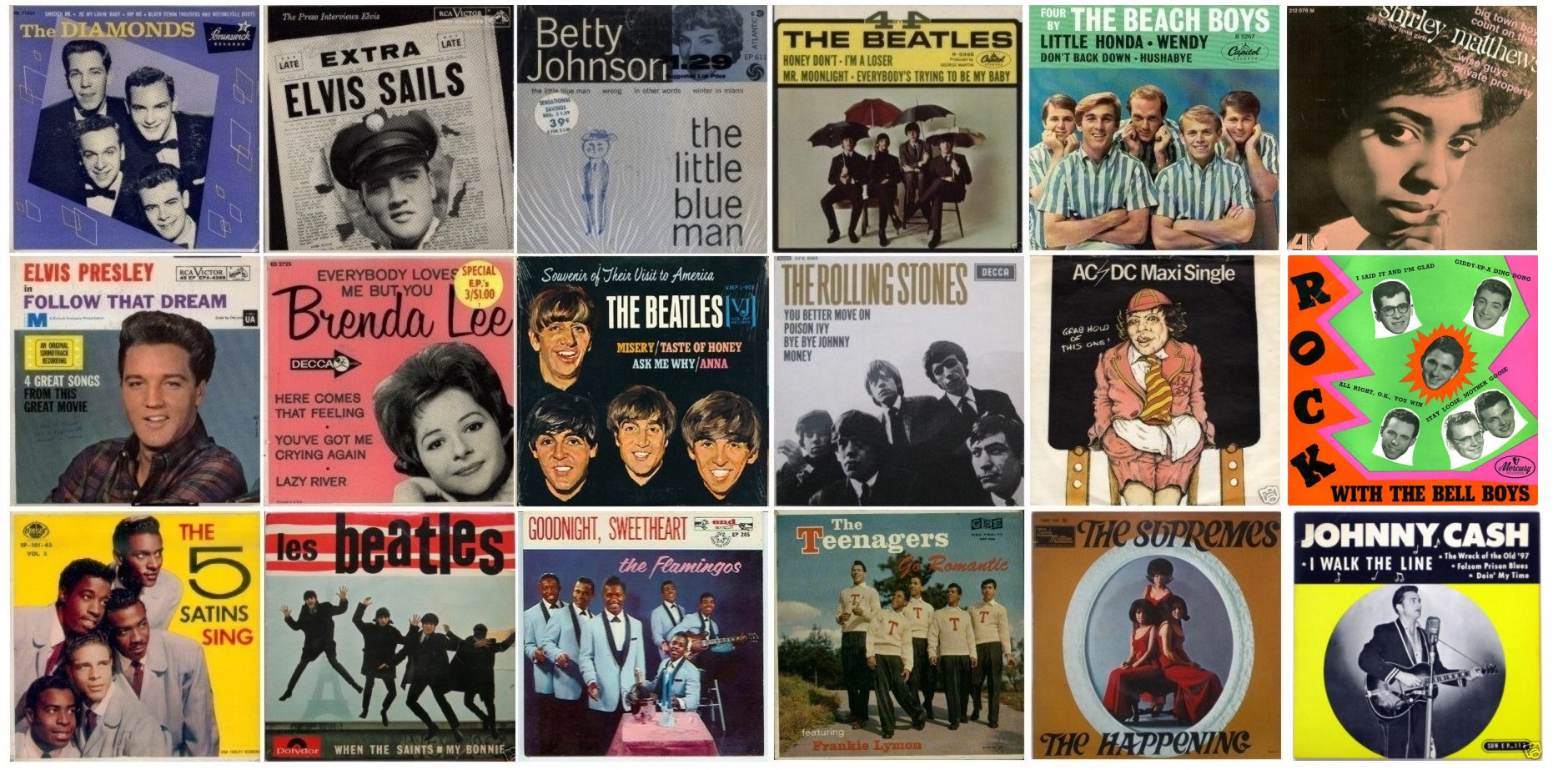
EPs
(7 inch 45 RPM records with 4 songs) were only made in the 1950s and
1960s. Each record had a hard cardboard cover and a plastic cellophane
wrapper like LPs. All rock 'n' roll and rhythm & blues EPs (complete
with cover) have values that exceed $20.00 per record. Many have values
of $200+ |

|
All
45s from the 1990s and 2000s are rare and valued at $5 or more. Many
of these songs / records already have a “history” and 45 RPM hard
copies will be very valuable in the future |

Rare and Valuable LPs (33 RPM)
LPs are made from vinyl plastic. Most LPs are 12" in diameter. Smaller (10") were also manufactured
in the 1950s. Most popular from 1948 to 1999. LPs are still manufactured today (2018) for all artists
During the 1950s
and early 1960s (before the Beatles) teenagers purchased records they
heard on the radio in 45 RPM format – they wanted the song they heard
on the radio – they were not necessarily fans of the artist. However
every record company issued LPs by their recording artists even if they
didn't sell well at the time. There are several categories of LPs that
are highly valued by collectors
((Click on photos
below for more and larger examples)

|
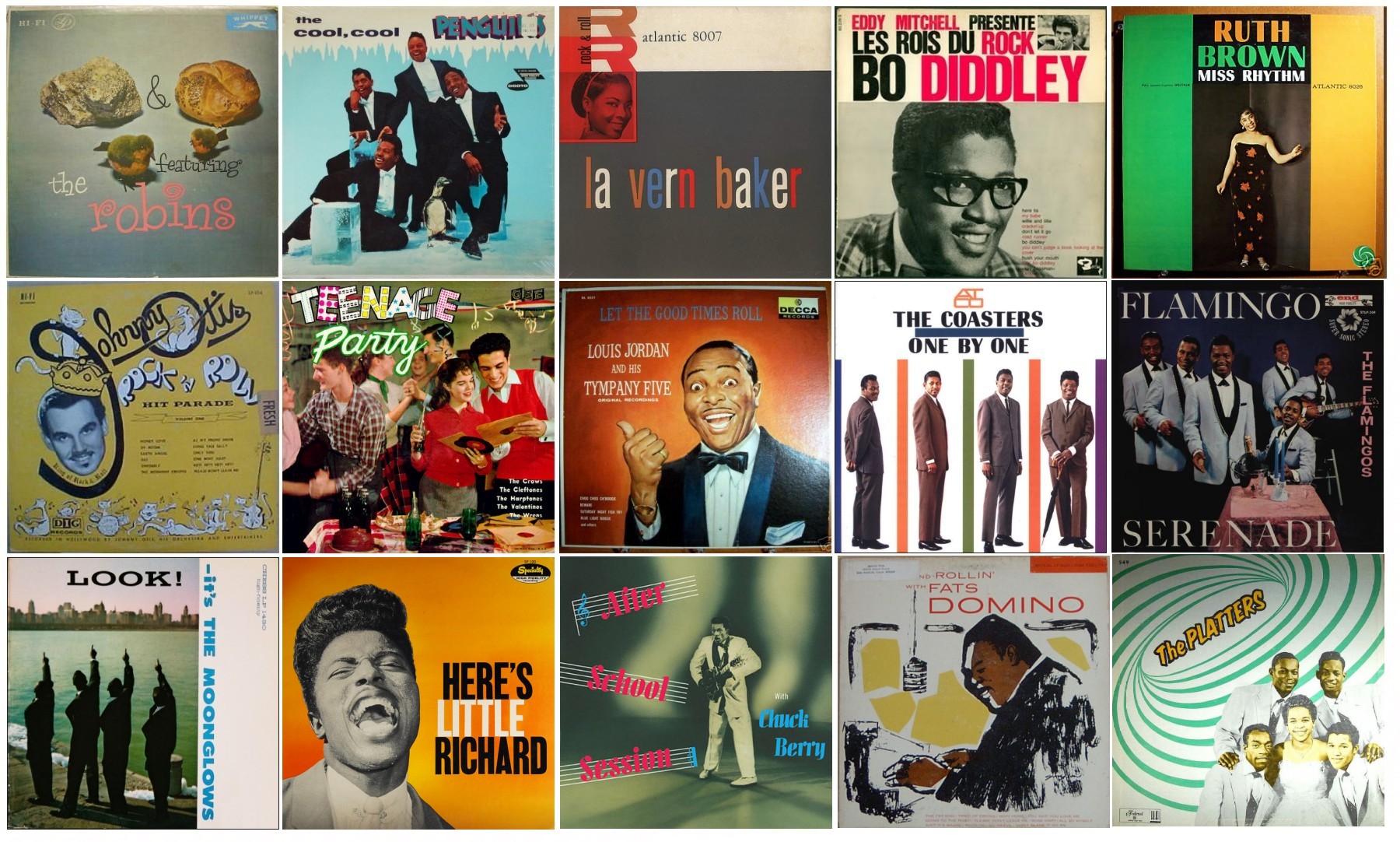
Rhythm
& Blues pioneers. When LPs like these were issued in the 1950s
the (often small) record companies had poor distribution and the main
buyers of R & B records didn't have much money. Some titles were
issued with only 1000 copies pressed. Many such LPs now sell at prices
exceeding $500 per copy |

|
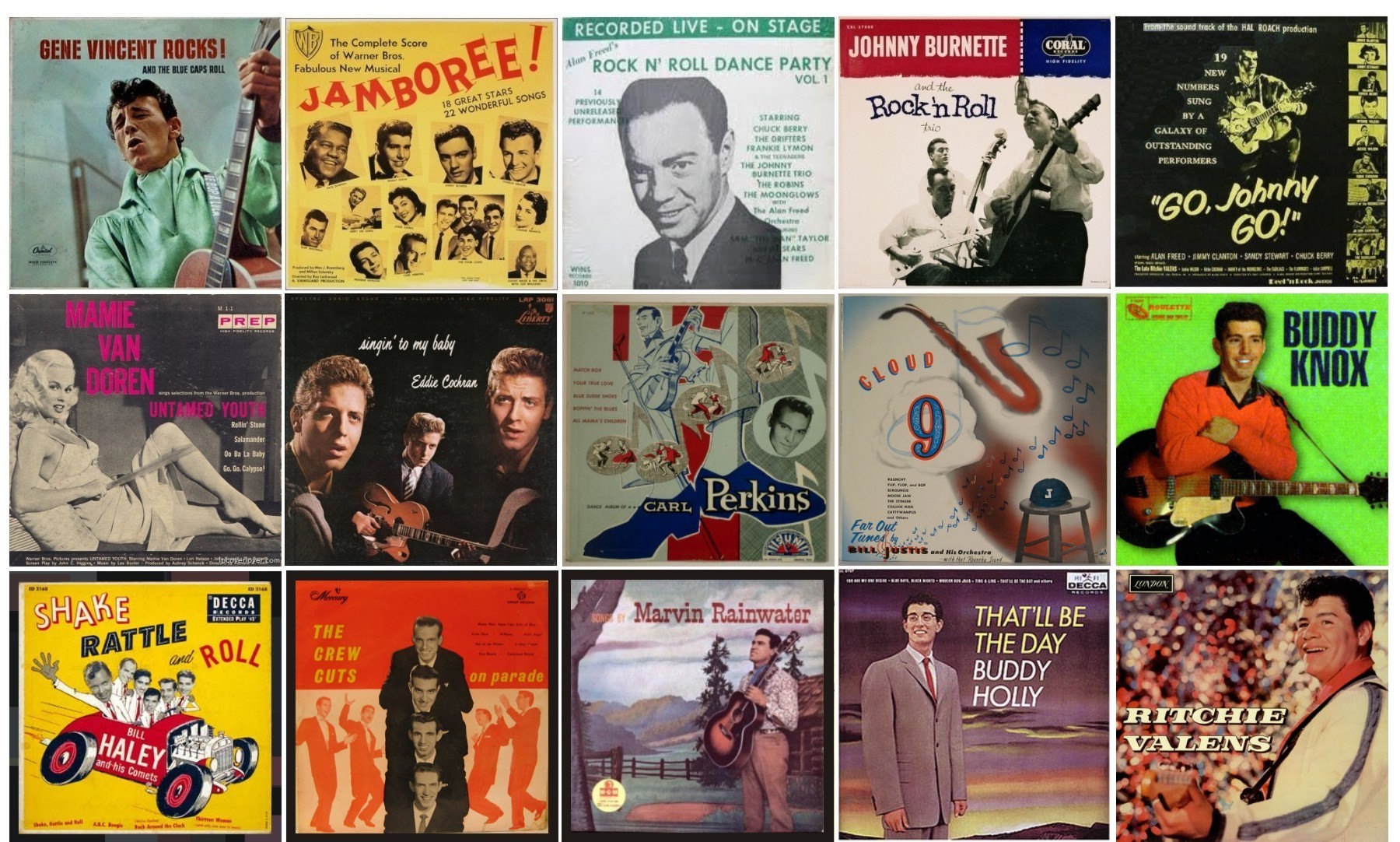
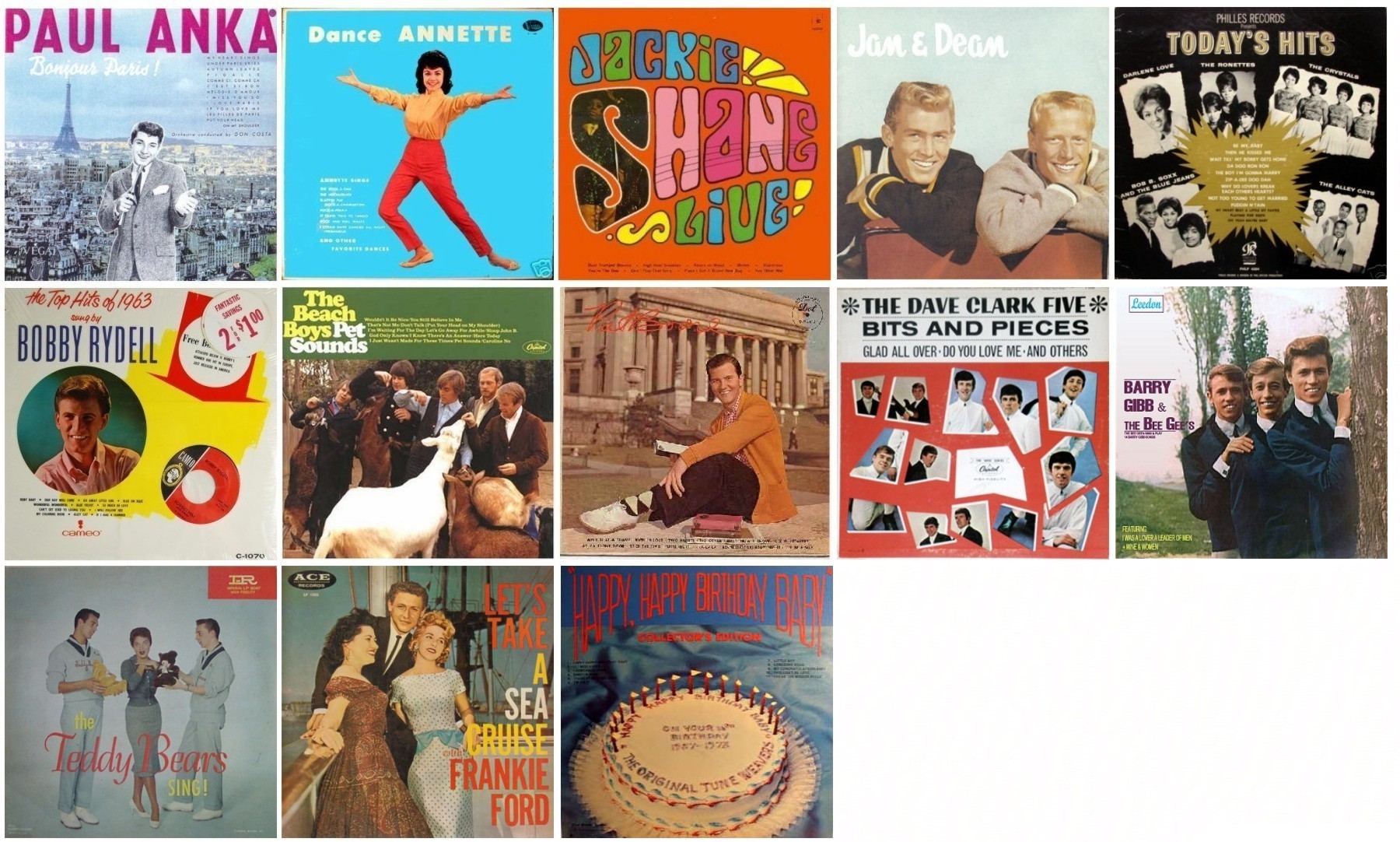
Rock
'n' Roll pioneers. Whether “rockabilly” or “rock 'n' roll” LPs like
these that were made in the 1950s are now quite rare and valuable.
Many have values that exceed $100. Some sell for $1000 or more. |

|
Teen
artists LPs of the 1950s and 1960s are also relatively rare. Such
LPs often sell for $10 or more – and if they are in “true” stereo
you can quadruple the price |

|
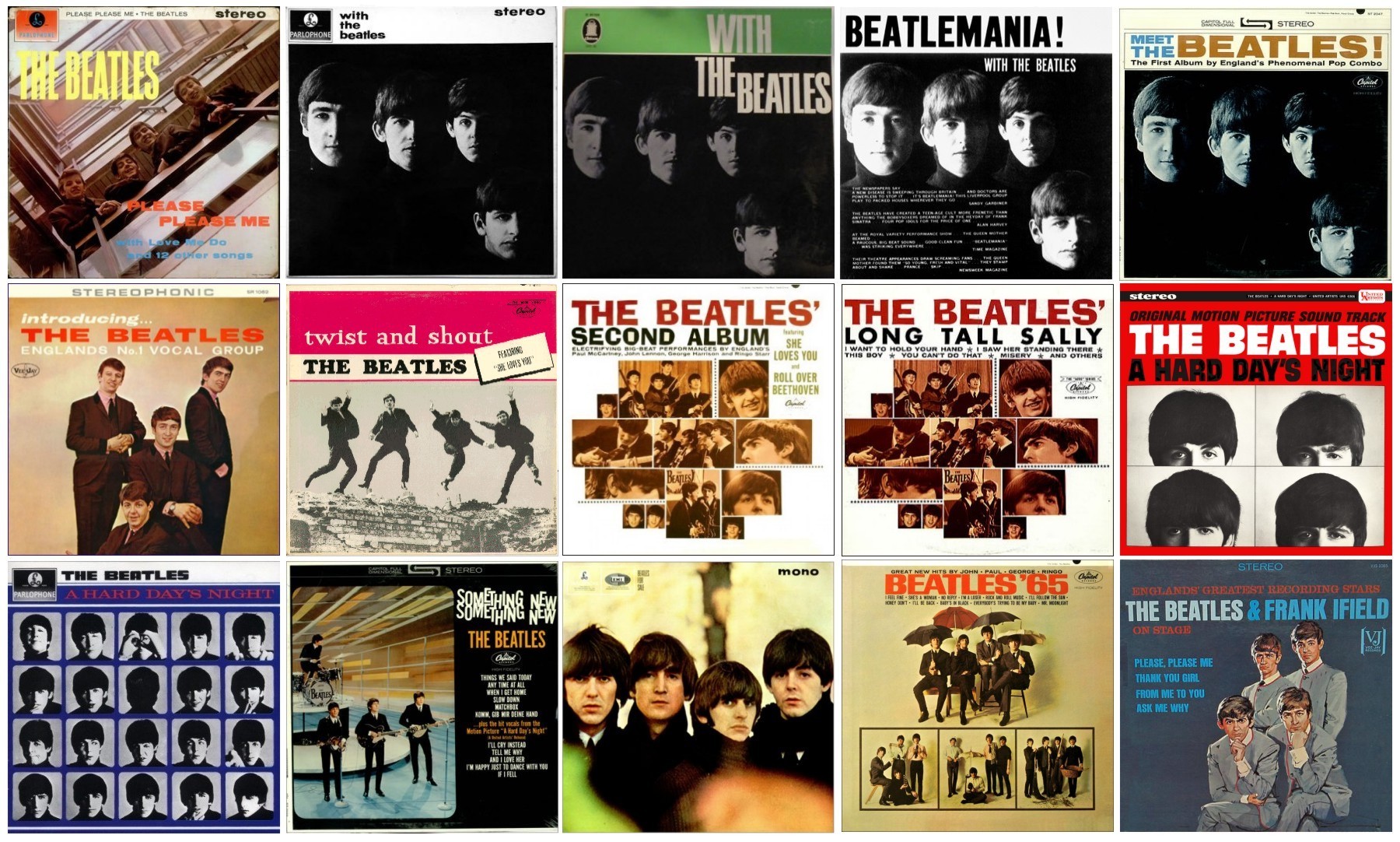
Everything
by the Beatles. The last “original” Beatle LP was sold in 1970 (Let
it Be). Every Beatle LP sold in every country from 1963 to 1970 is
worth $15 or more when complete (record, cover & inner paper sleeve)
and in “like new” condition . Many original Beatle LPs (including foreign
copies) have values from $100 to $10,000+ |

|
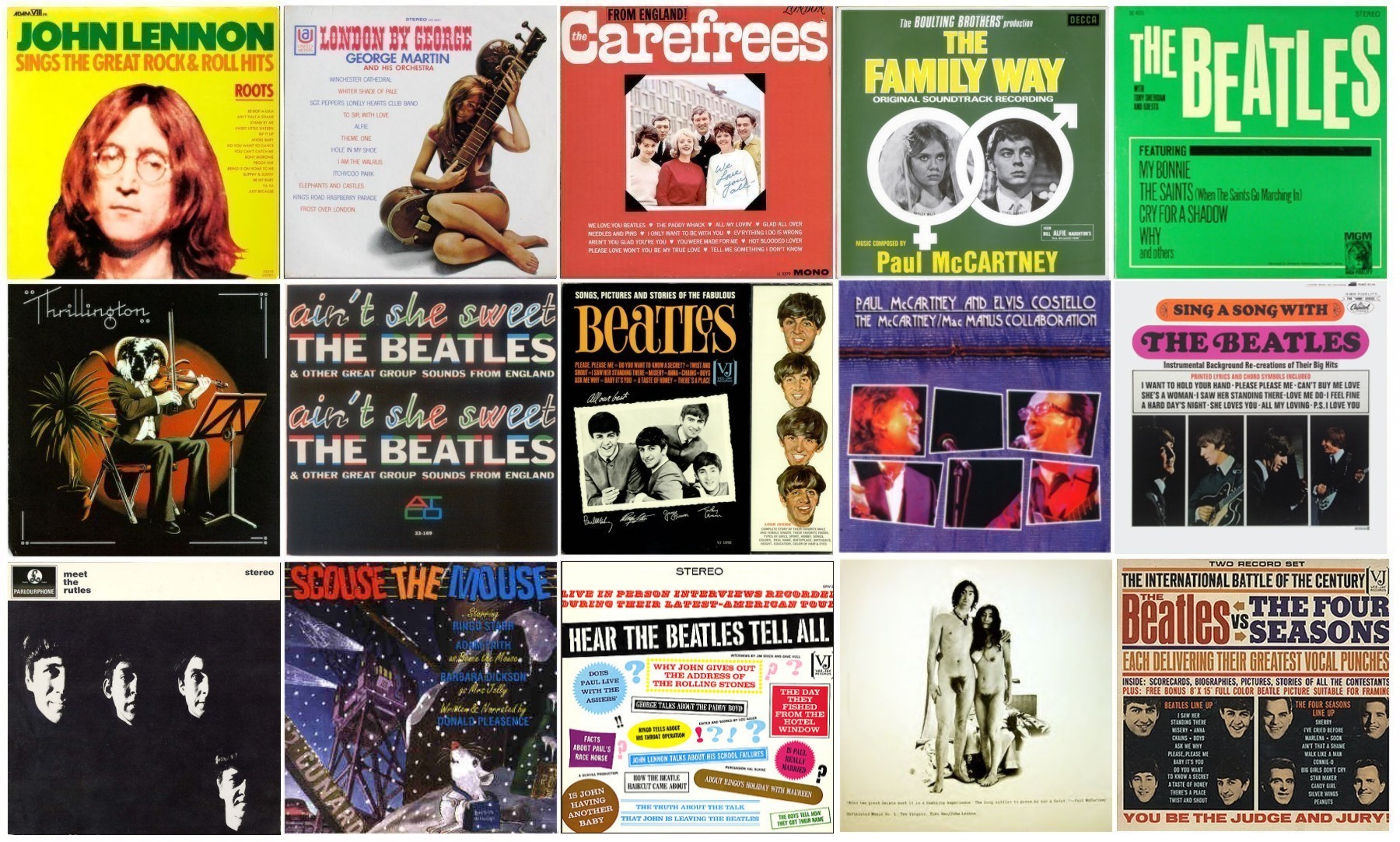
Everything
that is Beatles “related.” This would include rarer LPs by the the
individual Beatles and various LPs by artists that honour or mention
the Beatles. Many such LPs sell for $100 or more. Some have values above
$1000 |

|
“Most
collected artists” records have the highest values. Most “Fans”
LPs made after 1970 sell for $10 or more and some made before 1970
sell for $100+. See Fans below
for more details. |

|
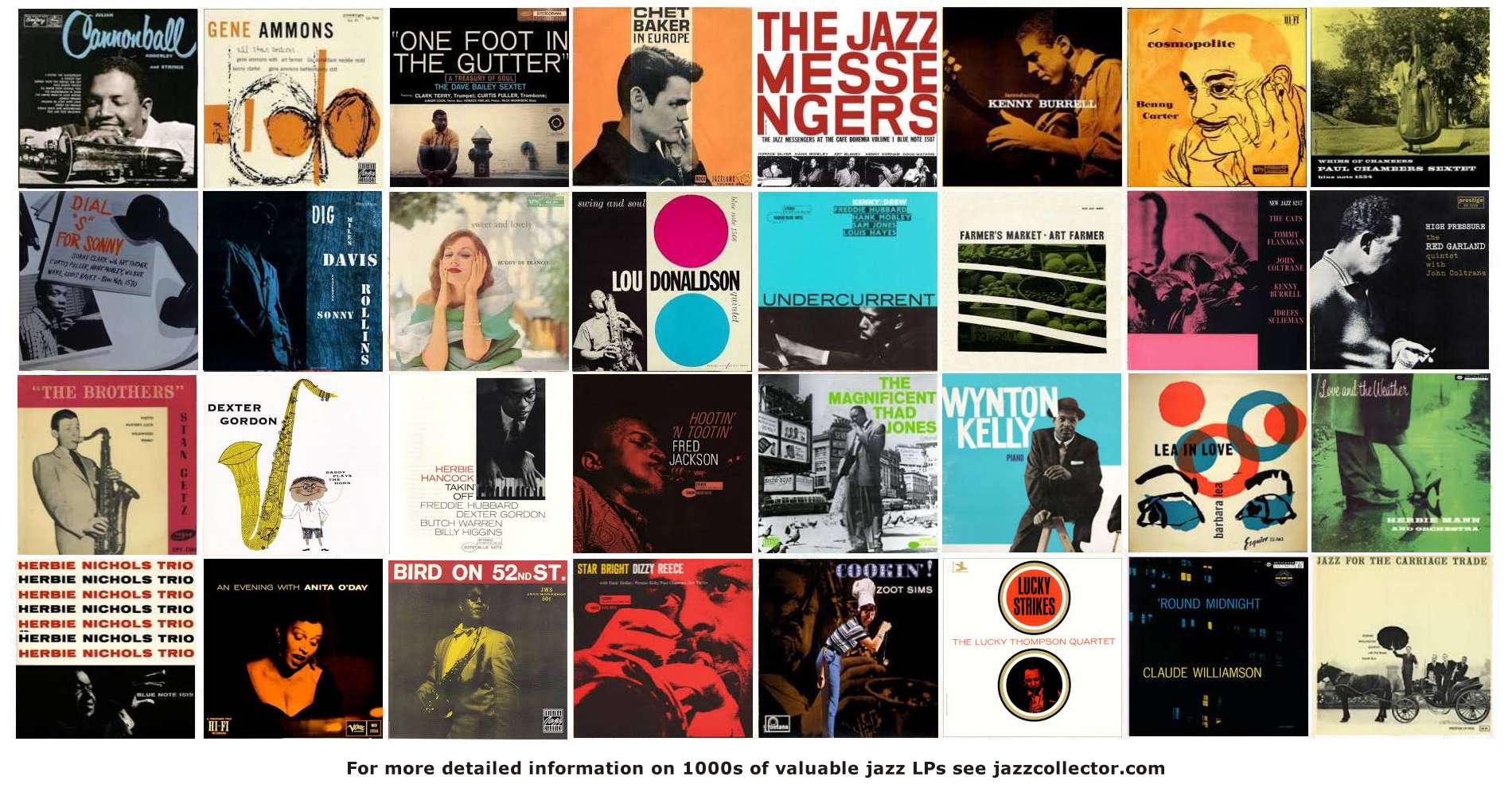
All jazz LPs
of the 1950s and 1960s sell for $10 or more – some are worth $100+.
Favourite artists include Dave Brubeck, Miles Davis, Bill Evans, Stan
Getz, Dizzy Gillespie, Charlie Mingus and many more. Collected jazz
labels include Blue Note, Fantasy, Prestige, Riverside, Verve and others |

|
In addition to
CDs and “Digital Downloads” record companies continue to release
LPs by their most popular artists today (2015). Because of the relatively
high LP price (about $25 each) and small quantities manufactured they
are already rare and many will be more valuable in the future |

|
Have
LPs that don't fit in the above categories? There are very few other
collected LPs. Generally speaking if your LPs are not original
rhythm & blues, rock 'n' roll or jazz related LPs pressed in the
1950s or 1960s they probably have little or no value – sorry |


Rare and Valuable 12" Singles
(Recorded in both 33 RPM & 45 RPM speeds)
Most are 12" in diameter
Produced from 1974 to current
((Click on photo
below for more and larger examples)

|
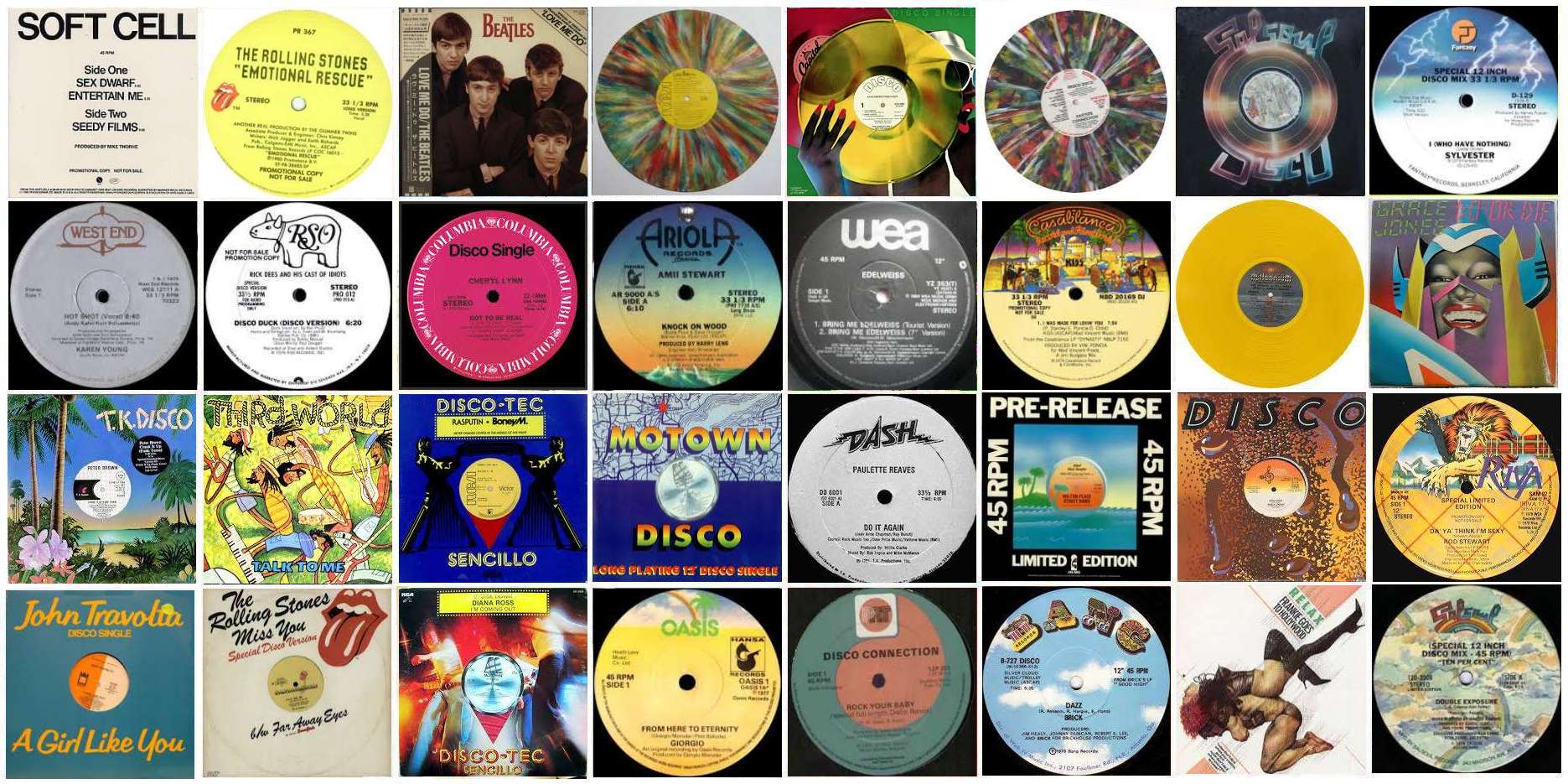
All
original 12" “Disco” or “Dance Mix”
or “Italo” records have values of $10+. These records were made in very
small batches (usually for disc jockeys & clubs) and are quite rare. |
Rare and Valuable Pre-recorded Reel-to-Reel Tapes
Manufactured on both 5" and 7" reels
Produced from 1955 to 1984 (Approximate dates)
Every pre-recorded Reel-to-reel tape is rare
and valuable. They were issued for audiophiles with a compatable reel-to-reel
player in mono, stereo or "quadraphonic" (4 channel stereo). These tapes
originally cost up to ten times the price of the equivalent LP
((Click on photo
below for more and larger examples)

|
All original pre-recorded
reel-to-reel tapes have values of $30+ with the original box. Many
have values of $100+. Quadraphonic stereo tapes are most prized by collectors |

Fans keep prices
very high
Listed below are
the 14 most collected artists (and most valuable) records in order
in 2011.
1

Beatles
|
2

Rolling Stones
|
3

Led Zepplin
|
4

Sex Pistols
|
5

David Bowie
|
6

Jimi Hendrix
|
7

Bob Dylan
|
8

Iron Maiden
|
9

Queen
|
10

Elvis Presley
|
11

Joy Division
|
12

Genesis
|
13

Depeche Mode
|
14

Miles Davis
|
|
Not on the top of
the list, but also sought after by collectors are rarer records by AC-DC,
The Beach Boys, The Bee Gees, Michael Jackson, Kiss, Madonna, Prince,
Rush, Frank Sinatra, U2, Neil Young and many other artists
Rare and Valuable Stereo Records
The first film with
a stereo soundtrack was Fantasia (1940). Record companies have been recording
in stereo since the early 1950s
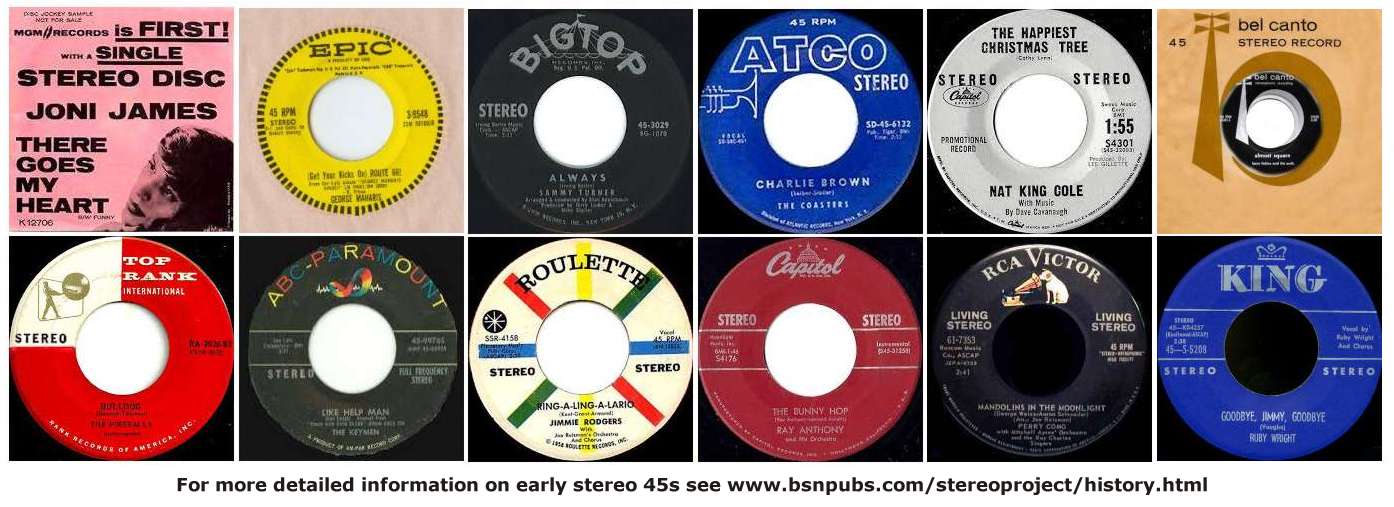
All 45s manufactured
by all labels after 1970 were pressed in stereo. However many labels
selectively pressed 45s in stereo between 1957 and 1970. These early
stereo 45s (especially 1950s) have values up to 10 times the mono releases

|

|
(Click on photos for more & larger examples) |
|
Early
stereo 45
|
Early
stereo LP
|
|
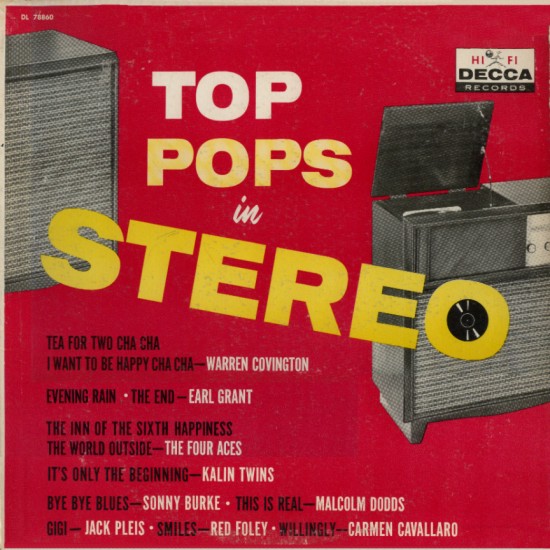
Almost all LPs manufactured
by all labels after 1970 were pressed in stereo. However many labels selectively
pressed LPs in stereo after 1957. Early stereo LPs (especially 1950s) have
values up to 4 times the mono releases
Rare and Valuable Records on YouTube

There are more collectors
around the world who pursue “The History of Rock 'n' Roll” than any other
category.
Rhythm & Blues,
“Doo-Wop” and “Rockabilly” records from 1950 through 1964 traditionally
have the the highest value of all collected records
For fun I have included
below several YouTube listings. Many records by these artists (and 100s of
other artists not listed here) have values over $100 and some over $1000.
The Five Sharps record sold twice for more than $10,000
(Click below on
artist or photo to view video)
Once you view the
videos you'll have a pretty good idea of what type of music and records
are worth big bucks - they are almost all from the 1950s and
not by the most popular artists of the time period
Rare and Valuable
Records - More Examples
(Click below on
photos or graphics for more details)

|
Values
of some commercially released (but now rare) Beatles (45s, EPs &
LPs) records includes 15 titles worth more
than $1000 |

|
Detroit
and Motown – 100s of records on these labels are valued at more than
$100 – and many are worth $1000+ (3 pages) |

|
Values
of records by the 1950s R & B group the Flamingos from the Jerry
Osborne official price guide (below) includes several records with
values of more than $1000 |

|
Values
of 28 most sought after records on Wikipedia, the free encyclopedia |

|
Values
of six million different records sold on E-Bay – type in your artist
– see the value (if more than $20) |
History is important
History does not
mean age of the record. Does the record itself have a history? Items
with high values are often records that fill spots in a historical
era:
- The roots of
country music (early 1930s and 1940s country artists – often called
“hillbilly.”
- The history
of rock 'n' roll – 1950s Rhythm & Blues or rockabilly,
- Girl groups
of the 1960s,
- Northern Soul
– Unique American single records (usually not hits in the USA) that
were played by DJs in clubs in Northern England (e.g., Manchester,
etc) in the late 1960s and early 1970s.
- “Italo” disco.
After the disco sound died in the USA it continued in Europe in the
1980s. Italo disco records are distinguished by a strong electronic
beat and very weak vocals (if any).
- Detroit and
Motown (early Berry Gordy productions or other Detroit label releases),
See Rare & valuable
– More Examples above.
- Answer records
– even if not popular (I'm the Girl from Wolverton Mountain, the Duchess
of Earl, etc.),
- The history
of electric guitar (early Les Paul), or,
- Just to complete
a collection on a certain artist such as early Jan and Dean on Arwin
label or their later 1970s records on the Ode label or early Aretha
Franklin on Columbia label etc.
All the above are
just a few examples – there are 100s more!
1st Pressing Original Releases vs 2nd, 3rd, 4th pressings
or promo records
or reissues or bootlegs
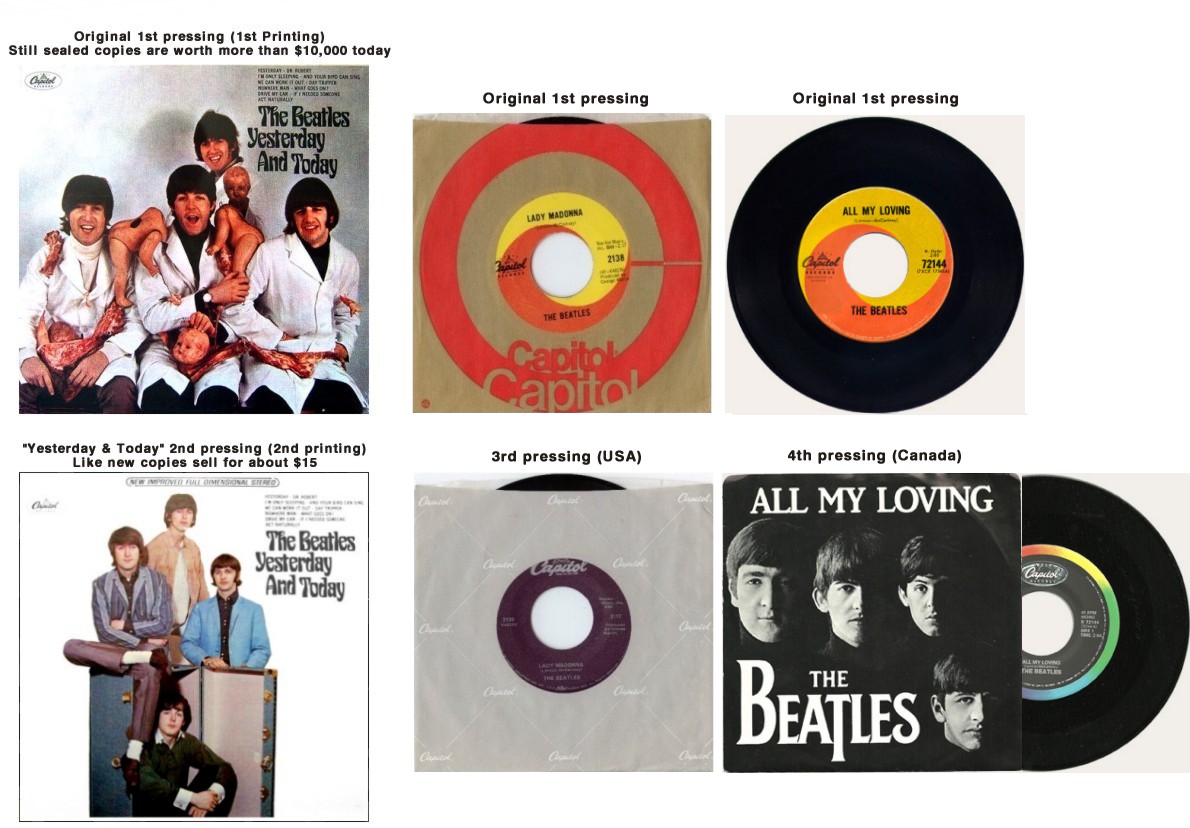
1st pressing original commercial releases always have the most value.
They are commonly known as “originals.” These are the records that
people purchased when the record was first on the “charts” and played
on “Top 40 Radio.” Many of the original 45s had “picture sleeves.” Original
LPs/12"/CDs often had inserts and other features not on later (2nd or other) releases. These are the records
collectors want and will pay the most for

|

|
(Click on photos for more and larger examples) |
|
Original
Pressing
|
3rd Pressing
|
|
2nd (and 3rd and 4th) commercial pressings were made after
the records were off the charts and top 40 radio. These records most
often have the same label and number but can be identified by dealers
and collectors because of differences from the 1st pressings in the cover or colour of the
label. These pressings of popular records usually have a lesser value
than the 1st pressings
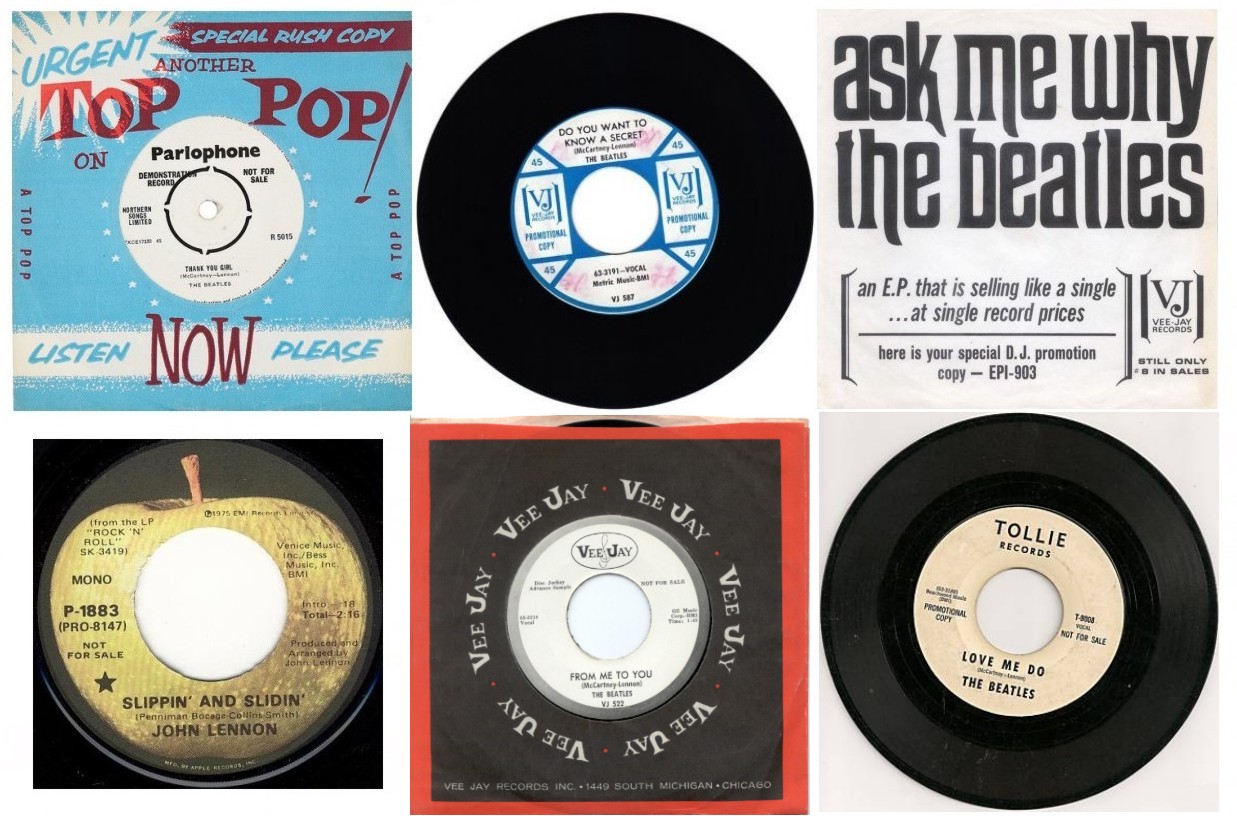
Promotional (Audition) records were free
records send to radio stations (and others) to announce a new release
(45 or LP). They were identified by the label (often white in colour)
and were marked “Promotional” or “Audition” and/or “Not for Sale.”
Promo copies of best selling records generally have a slightly lower
value than the 1st pressing
originals. Occasionally promo copies were pressed for records that were
never released commercially. Obviously these records are extremely rare
and obtain a very high value for the most sought after artists or music.
Almost all valuable “promo” records are “rock 'n' roll” related
45 RPMs released in the 1950s and 1960s. A few promo LPs (by the most
collected artists) are also valuable

|

|
(Click on photos for more and larger examples) |
|
Promo
Pressing
|
Reissue
Pressing
|
|
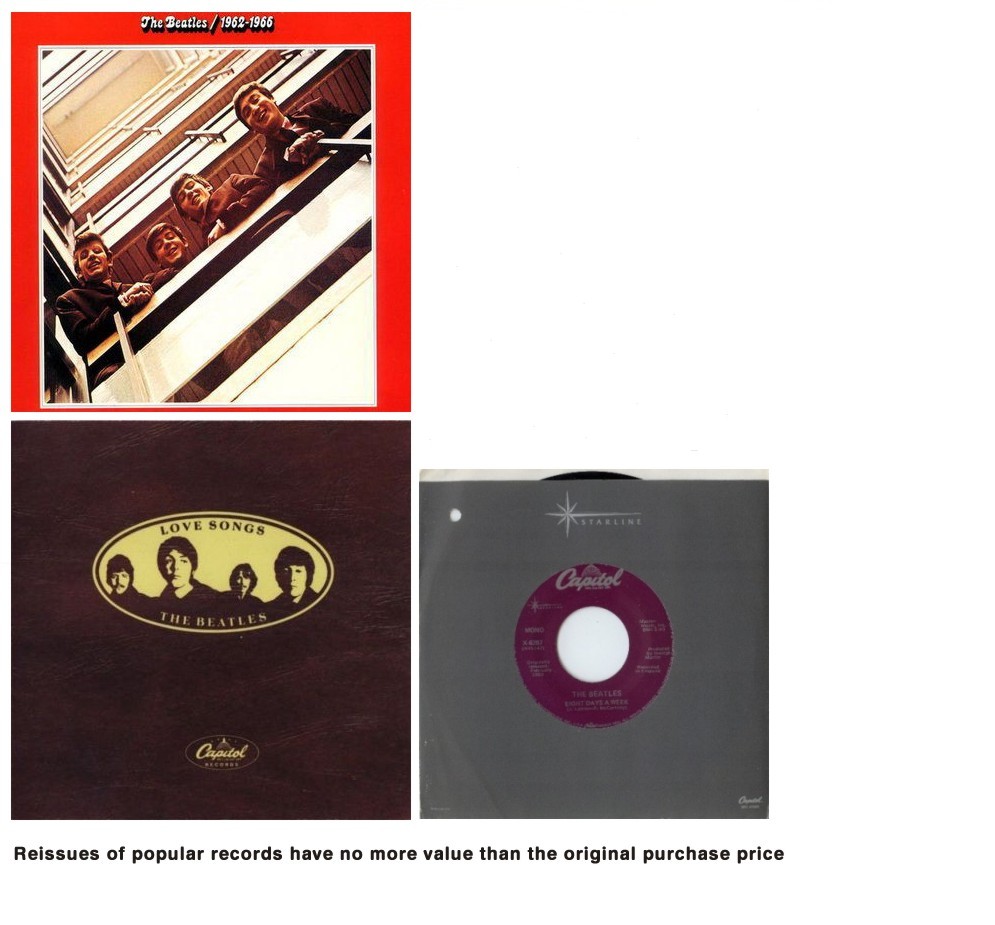
“Reissues” of popular records usually have
a different label and number than the original release and have no
more value than the original purchase price. All Beatles records made
after 1971 are reissues. Reissues also include “Greatest Hits” compilations
by any artist
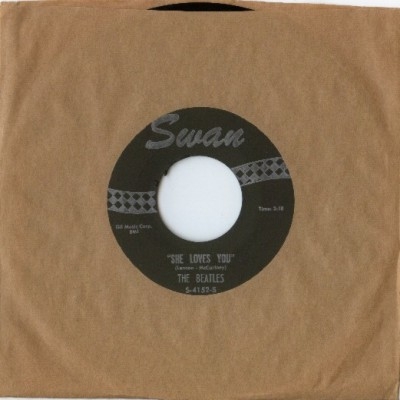
“Bootlegs” are not legitimate commercial
releases that collectors want and are illegal. It's a fact that all
illegal items (not just records) are hard to advertise, buy or sell.
Most bootlegs have little value

|

|
(Click on photos for larger examples) |
|
Beatle
bootleg
|
Beatle
counterfeit
|
|
Bootlegs come in several categories. LPs/12"/CDs
often feature not commercially released (stolen) tracks or recorded
live concerts. 45s include re-releases of rare or valuable 45s. Some
bootleg 45s are exact copies of rare records with the original label
graphics and numbers – these are known in the industry as “counterfeits”
Values, Buying Prices, Selling Prices
“Book value” or appraised price is the highest price the item can be sold
for.
All
records sell for much less than book value – except the rarest items.
On most (non rare)
popular records the dealer buying price is often as low as 5% of the
“book” value. This is because the dealer probably has copies of all
of your records already and it will take him years to sell many of
your items.
If you wish to obtain
a higher selling price for your items you will have to sell them yourself
(individually) to collectors – on E-Bay or by placing ads in Goldmine
Magazine
Making your “List of Records to Sell”
Make a list – without
a list your records are only worth pennies a piece
Make a list using
your computer – that way it can be attached to any E-Mails or printed
to carry around with you. Each line listing should include:
- Record type –
78, 45, LP or 12"
- Condition –
like new or used
- Artist &
title
- Label &
number
- Additional notes:
Anything significant about the listed record?
Places to Sell
Your Records
Continental Records Co - Sell your 45s to
us

Continental Records buys and sells large quantities of brand
new 45s every year. If you have a large quantity (2000 or more) of brand new
45s to sell, please contact us for the best price. Continental Records does not
buy used 45s or any LPs/12" or 78s
Craigslist or Kijiji


The easiest way
to sell all your records in a week or less. Place a free ad and you will get
local responders immediately. Hone up on your bargaining skills – if you have done little research on your collection (and
have no list of your records) many offers will be only pennies per
record
E-Bay

If you sell on E-Bay, some records you list will be bid upon
by E-Bay users –
many of the others (the most common titles) will not
be bid on at all
Goldmine Magazine

Another method is selling them (all at once) to one of the
used record dealers listed in Goldmine. Or, you can run ads to sell
the records individually. It is suggested that you obtain an issue or
two of their magazine. Their web site is http://www.goldminemag.com
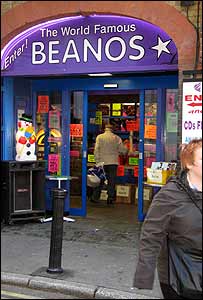
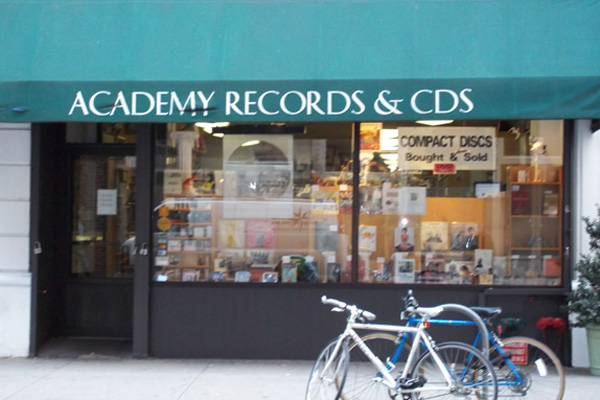
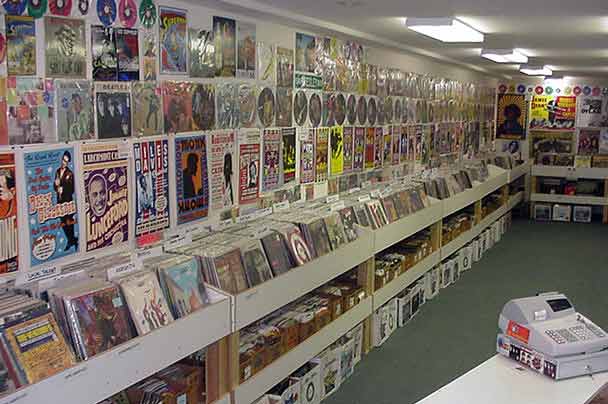
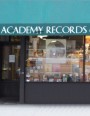
Your local record collector store
 ....
....
 (Click for larger photos)
Look for your local stores in the Yellow Pages. Most
remaining collector stores buy and sell CDs/DVDs/Current LPs. Don't
expect them to show any interest in a small bunch of used popular records.
However if you have a larger “collection” don't phone – drop in and talk
with them and bring your list – no need to bring the records. Even if they
have no interest they will probably give you good advice on selling your
collection to another local dealer. For a list of collector record stores
in your state click here
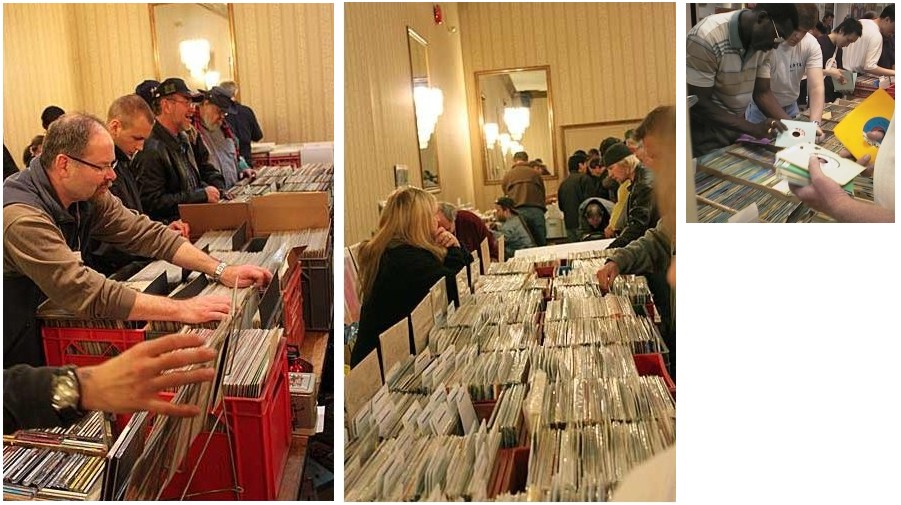
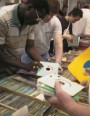
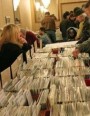
Your local “Record show & convention”
 (Click on photos for more and larger examples)
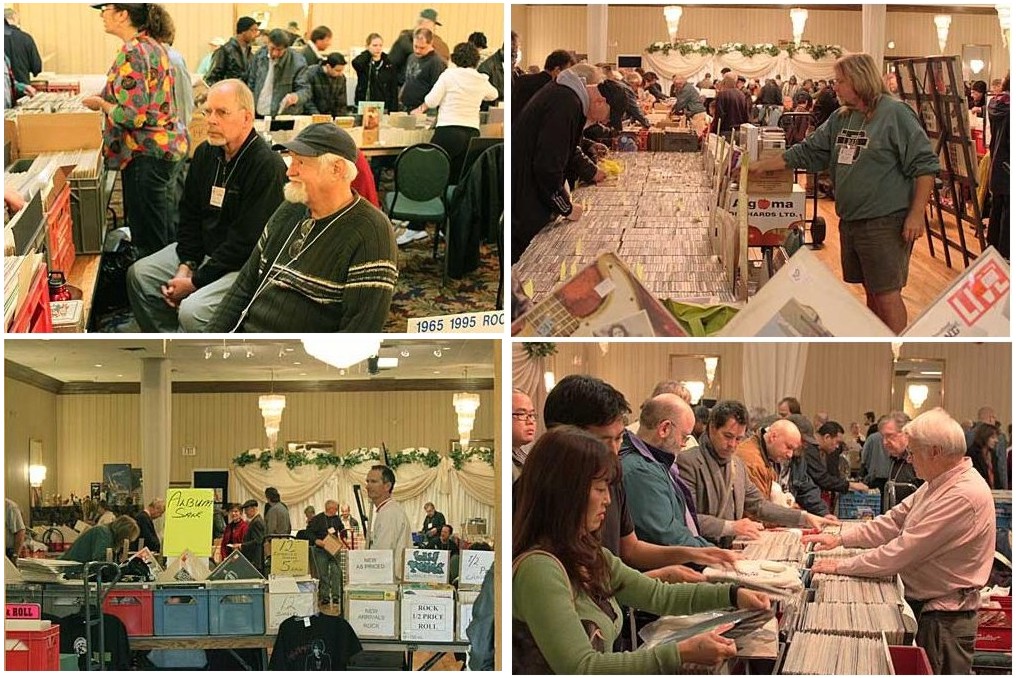
Most major cities have one or more “record shows” every year.
The “Toronto Musical Collectables Record & CD Sale” has two shows
yearly. They feature more than 100 “dealers” – with the majority selling
used vinyl. Other city shows are similar. Don't rent a table or bring
your records – just bring your list and pay for admission. You should
be able to talk with many local dealers who could have an interest in your
list and purchasing your complete collection
Comments, corrections and additions
Are all welcomed. Please E-Mail me at conrecs@gocontinental.com
Neil Patte, 2011/2015
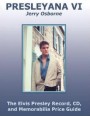
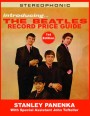
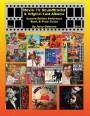
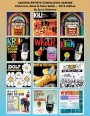
Record & CD price guides by Jerry Osborne
|
Elvis
Presley
|
The
Beatles
|
Soundtracks
& Original Cast
|
Compilation
LPs
|
Rockin'
Records Annual
|
An avid collector
of records for over 48 years, Jerry Osborne has also worked full-time
as an author of record price guides and reference books since 1975.Among
the books he publishes are pricing guides to Elvis, the Beatles, Movie
Soundtracks & Original Cast albums, compilation LPs & CDs and
the largest one – The “Rockin' Records” Official Price Guide (published
yearly).
See Rare & Valuable above for a sample listing
of the group the Flamingos.
The cornerstone
guide of any record appraiser's library, Jerry Osborne's “Rockin'
Records" annual is the world's most popular record price guide. The
recordings of approximately 50,000 different artists are included. The
current edition has everything you need to know to price practically
every disc you own: singles (33, 45, & 78 RPMs), albums (10 inch &
12 inch), picture sleeves, and more. Loaded with plenty of great photos.
Covers pop, rock, country, jazz, blues, and a little of everything else
– from 1902 to present; from the very popular to the very, very obscure.
The 2011 edition is 1168 pages with pricing on over one MILLION records!
If you're looking for individual pricing on records or CDs? This book
will provide all the answers.
Click Here For Jerry Osborne's Site
Most recent web page review : 2015 03 30
2,012,565+
visitors since January 2011 !!!
|